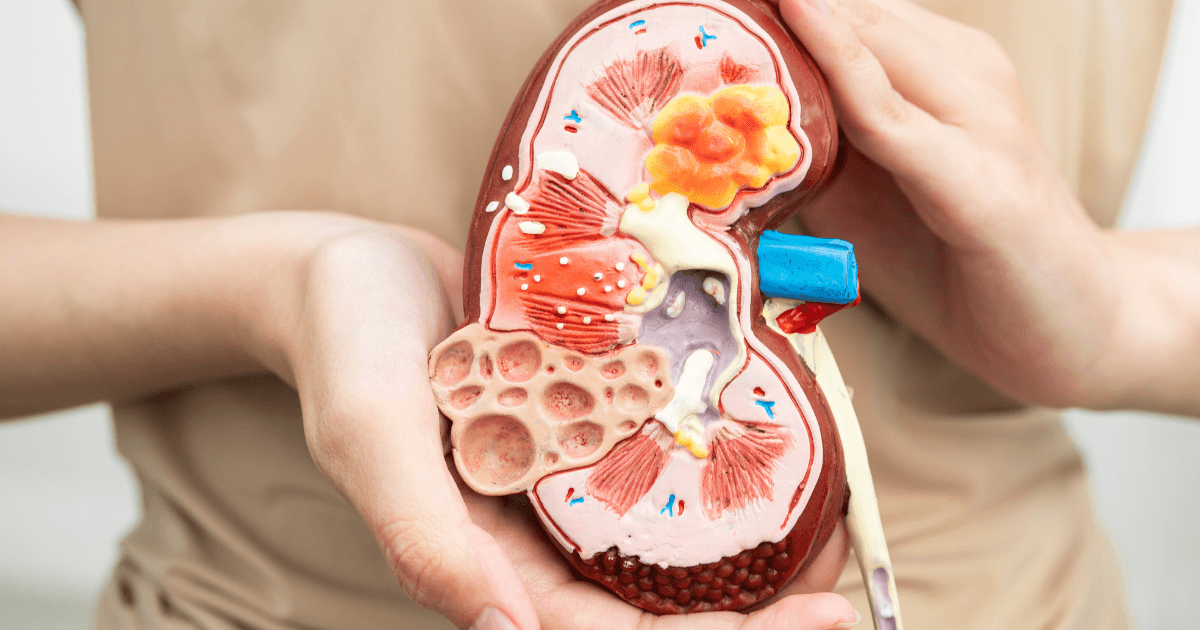
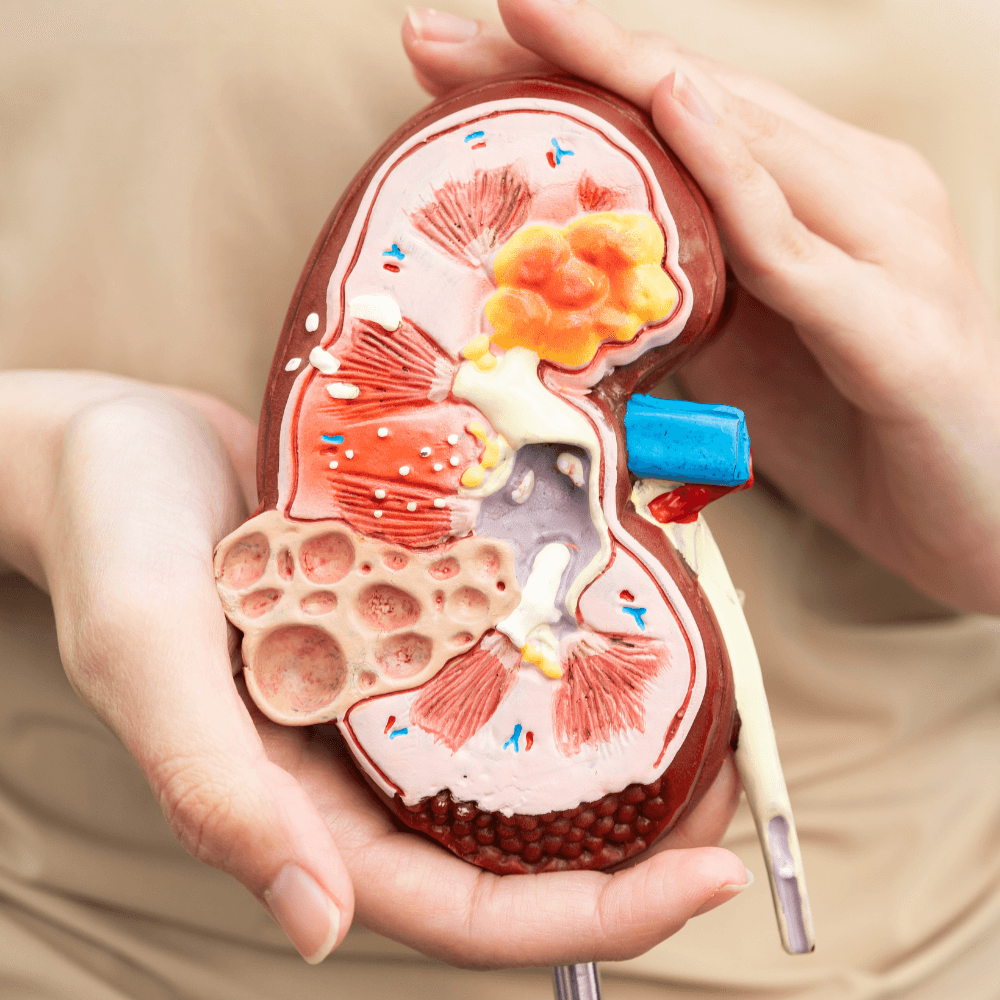
Kidney damage is one of the most serious complications of uncontrolled diabetes. Over time, elevated blood sugar can silently injure your kidneys, often without symptoms until the damage is advanced. If left unchecked, this can lead to chronic kidney disease (CKD), the need for dialysis, or even kidney failure that requires a transplant.
The good news? With early testing and the right care, much of this risk is preventable.
🩸 How High Blood Sugar Harms the Kidneys
Your kidneys filter your blood all day long, removing waste and balancing fluid and electrolyte levels. When blood sugar remains elevated:
The small blood vessels in your kidneys (called glomeruli) become damaged
These filters can start leaking protein into the urine, a condition known as albuminuria
Over time, filtration slows down, toxins build up, and kidney function declines
This condition is referred to as diabetic nephropathy, and it is the most common cause of kidney failure in the U.S.
🚨 Why Kidney Disease Often Goes Undetected
One of the most dangerous things about diabetic kidney disease is that it often has no symptoms early on. You may feel completely normal even as kidney function is declining.
Early kidney damage:
Does not cause pain
Does not cause swelling in most cases
Can only be caught through specific blood and urine tests
That’s why regular screening is essential if you have diabetes, even if you feel well.
⚠️ Who Is at Greatest Risk?
Kidney disease risk increases if you:
Have had diabetes for several years
Consistently run high A1c levels
Also have high blood pressure or high cholesterol
Are not getting annual lab tests for kidney markers
Have a family history of kidney disease
Even people with prediabetes or mild insulin resistance can begin to show early signs of kidney stress.
🧪 Key Labs That Check Kidney Health
Ask your provider about:
eGFR (estimated glomerular filtration rate): Assesses how well your kidneys are filtering waste
Urine albumin-to-creatinine ratio (UACR): Detects early protein leakage
Serum creatinine: Measures waste buildup in the blood
Blood pressure checks: High BP worsens kidney decline and must be managed
🛡️ What You Can Do to Protect Your Kidneys
1. Control blood sugar tightly
Keeping A1c in target range is one of the most protective things you can do.
2. Monitor blood pressure
High blood pressure adds to kidney stress. Aim for readings under 130/80 unless otherwise directed.
3. Discuss the use of medications with your healthcare provider
Certain blood pressure meds (like ACE inhibitors or ARBs) protect kidney function even if your BP is normal. Limit NSAIDs like ibuprofen, which can strain the kidneys over time.
4. Stay well hydrated
Beyond many other benefits, water works great to support kidney filtration.
5. Get regular labs
Catching even mild kidney decline early can help prevent irreversible damage.
📅 Ready to Know Where You Stand?
At Reach7, members receive on-site lab testing for kidney function, A1c, blood pressure, and more. You’ll also get a personalized 1:1 review to clearly understand what your results mean and what steps to take next.
Book your visit today and protect your kidney health with clarity and confidence.

Author
Leanna Andrews, NP
Medical specialist passionate about evidence-based medicine, nutrition, and healthy living. I cut through the noise to bring clear, reliable insights that empower everyday readers to help them Live Better & Thrive Longer.