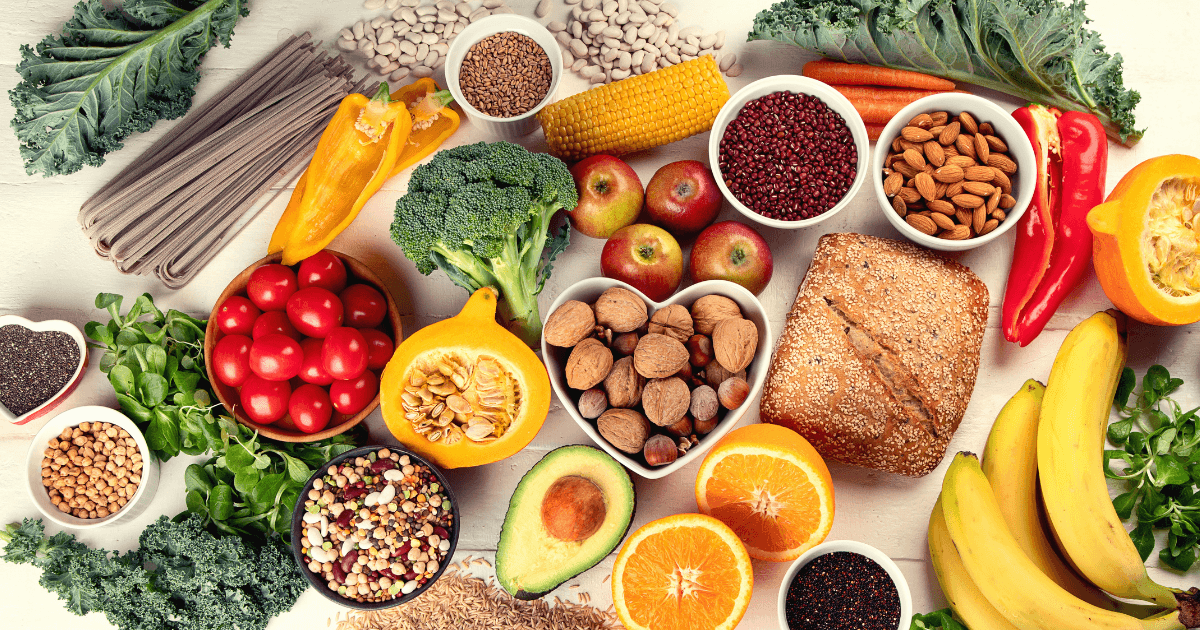
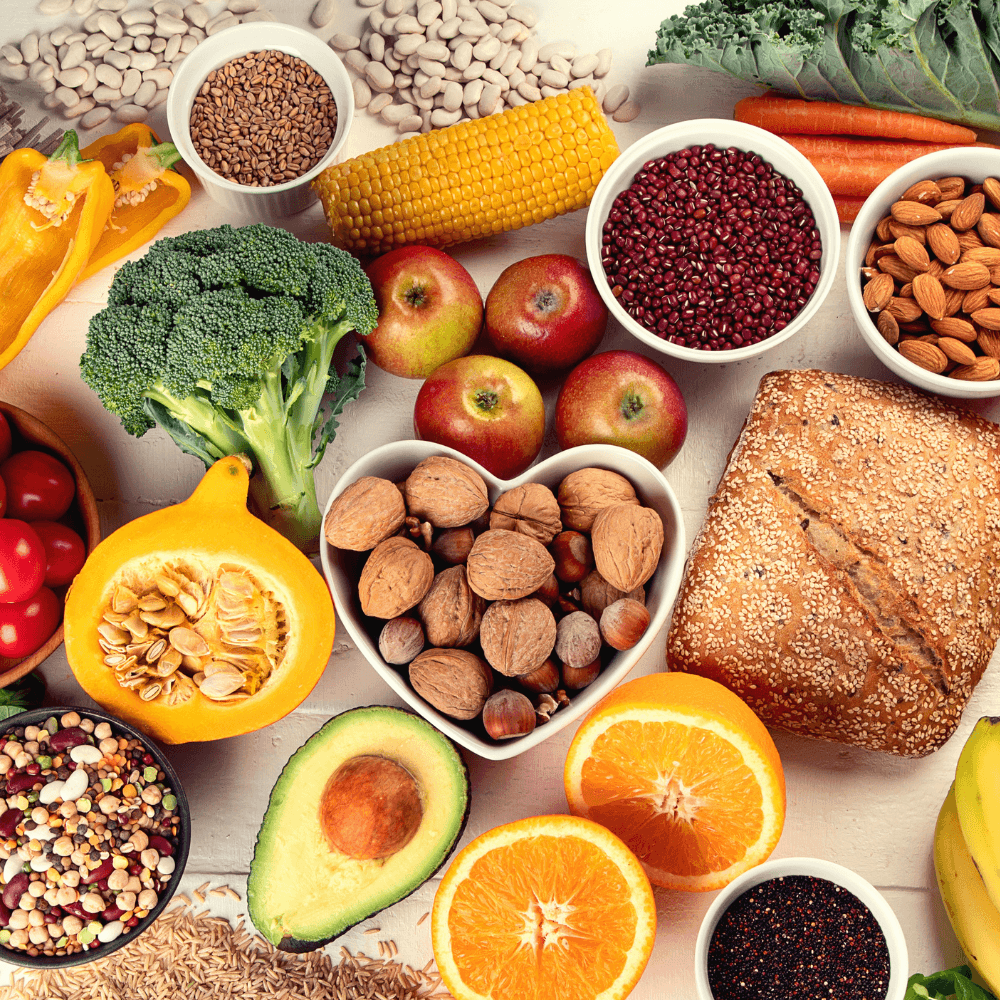
Fiber is one of the most powerful and underappreciated tools for supporting both digestive health and blood sugar control. While it’s often associated with preventing constipation, its benefits go far beyond the gut, especially for people managing diabetes, prediabetes, or metabolic health concerns.
🌾 What Is Fiber?
Fiber is the indigestible part of plant foods. Unlike other carbohydrates, your body can't break it down into sugar. There are two main types:
Soluble fiber dissolves in water and forms a gel-like substance. It slows digestion and helps lower blood sugar and cholesterol.
Examples: oats, apples, beans, chia seedsInsoluble fiber adds bulk to your stool and helps food pass more easily through the digestive tract.
Examples: whole wheat, leafy greens, carrots
🩸 How Fiber Supports Blood Sugar Control
Slows glucose absorption by delaying how quickly carbs are broken down and sugar is released into your bloodstream
Reduces post-meal spikes in blood sugar
Improves insulin sensitivity over time
Helps lower A1c and average glucose trends
🧠 How Fiber Supports Digestion and Gut Health
Promotes regularity and prevents constipation
Feeds beneficial gut bacteria (prebiotic effect)
Supports a healthier inflammatory profile
Increases satiety and reduces the chance of overeating
🍽️ Tips for Increasing Fiber Safely
Start slowly to avoid gas or bloating
Increase water intake as you increase fiber
Choose real, whole foods instead of fiber supplements when possible
Combine both soluble and insoluble fiber sources
Read labels and aim for 25 to 35 grams of fiber per day
Choose a meatless meal at least once a week
⚖️ Fiber and Weight Management
High-fiber meals tend to be more filling. This helps with portion control, appetite regulation, and long-term weight maintenance. Because fiber slows digestion, it also helps reduce cravings by supporting steady energy levels.
📅 Ready to Tune Up Your Diet?
At Reach7, members receive personalized nutrition coaching and access to lab work that helps track blood sugar, cholesterol, and inflammation. Fiber can positively influence all of these markers.
Book your visit today to learn how to optimize your fiber intake and support both digestive and metabolic health.

Author
Katrina Shellhouse, RD
Over 10 years of experience in diabetes care and weight management, combining her background in nutrition from culinary school and a Bachelor of Science degree in dietetics. As a wife and mother of three, she enjoys cooking, gardening, and grocery shopping on a budget. Katrina is fueled by her own passion to help clients make meaningful yet achievable lifestyle changes, and she has even lost 80 lbs recently through her diet and strength training journey!