Managing your blood pressure and cholesterol starts with what you put on your plate. Certain foods can raise or lower these numbers in powerful ways, often without medication. For those with diabetes or at risk of cardiovascular issues, small diet changes can lead to big improvements in your health over time.
Here’s a breakdown of foods that may influence your blood pressure and cholesterol levels, and how to use them strategically.
🫀 Foods That May Help Lower Blood Pressure
1. Leafy Greens and Potassium-Rich Foods
Spinach, kale, Swiss chard, bananas, tomatoes, and sweet potatoes are rich in potassium, which helps your body get rid of excess sodium and relax blood vessel walls.
2. Beets and Beet Juice
Beets are naturally high in nitrates, which may support better blood flow and reduced blood pressure.
3. Low-Fat Dairy
Sources like yogurt and skim milk provide calcium and protein, both of which may contribute to improved blood pressure regulation.
4. Nuts and Seeds
Almonds, pistachios, chia seeds, and flaxseeds offer magnesium and healthy fats that support heart health.
5. Oats and Whole Grains
Rich in fiber and nutrients, whole grains like oats, quinoa, and brown rice support healthy blood pressure and keep your arteries flexible.
🧈 Foods That May Help Improve Cholesterol
1. Fatty Fish
Salmon, sardines, mackerel, and tuna are rich in omega-3s that lower triglycerides and raise HDL (good) cholesterol.
2. Avocados
Packed with monounsaturated fat, avocados help lower LDL (bad) cholesterol and support overall heart health.
3. Olive Oil
A staple in heart-healthy diets like the Mediterranean approach, olive oil may lower inflammation and LDL levels.
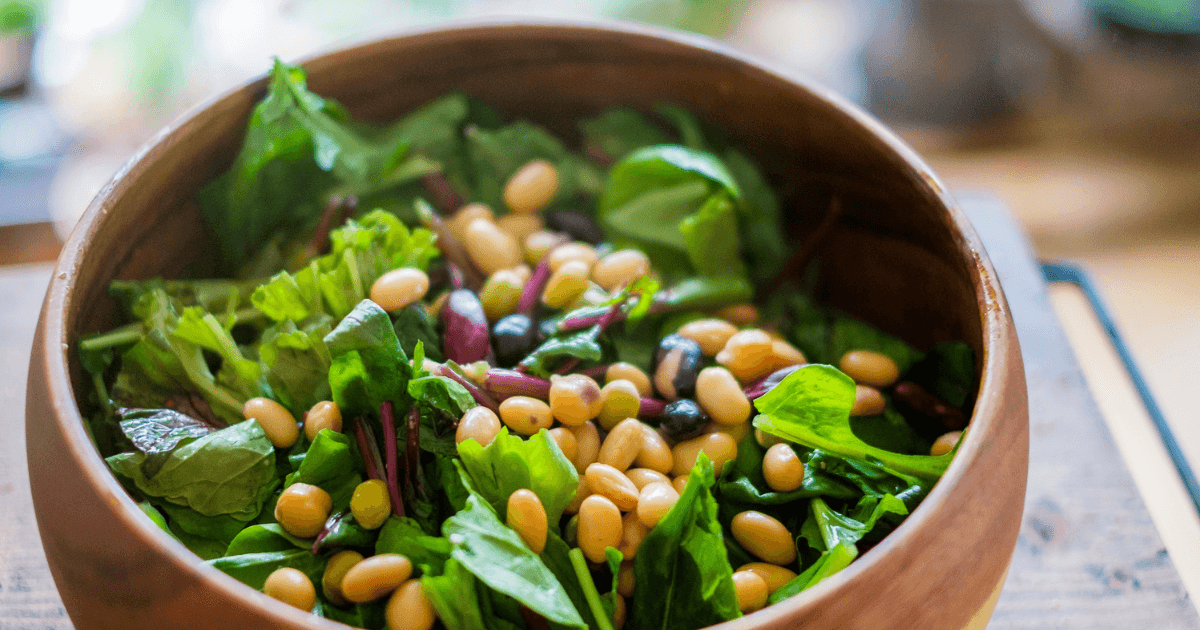
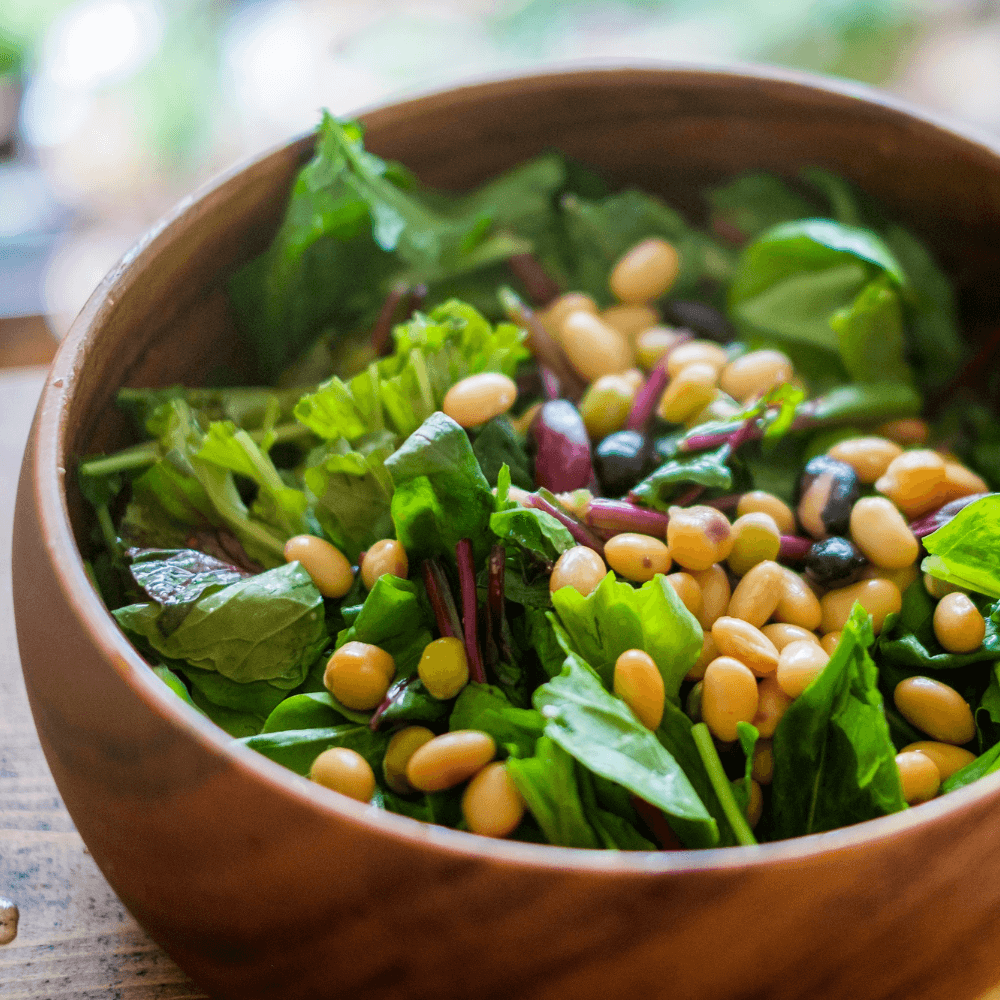
4. Beans and Legumes
High in soluble fiber, beans bind to cholesterol in the digestive tract and help remove it from the body.
5. Barley and Psyllium Fiber
These fibers may significantly lower LDL cholesterol when consumed regularly, especially when used in place of refined grains.
🚫 Foods That May Raise Blood Pressure or Cholesterol
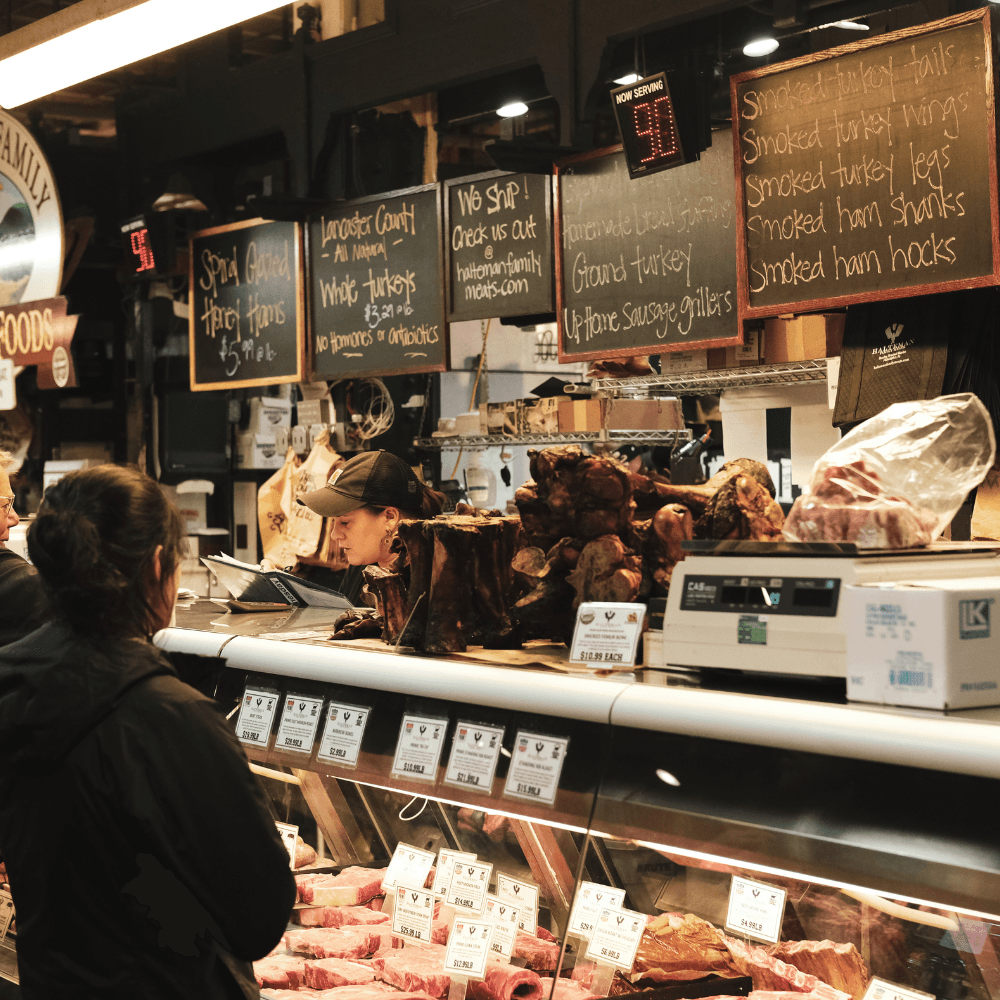
1. Processed and Cured Meats
Bacon, deli meats, sausage, and hot dogs are high in sodium and saturated fats that can increase both blood pressure and cholesterol.
2. Fried Foods
French fries, fried chicken, and packaged snack foods likely contain trans fats and contribute to inflammation and poor lipid profiles.
3. Sugary Drinks
Soda, carbonated drinks, sweet teas, and fruit juice can raise triglycerides and contribute to insulin resistance, which affects both cholesterol and blood pressure.
4. High-Sodium Packaged Foods
Canned soups, frozen meals, and chips can push your sodium intake far above the recommended daily amount.
5. Baked Goods with Refined Carbs
Muffins, cookies, and pastries made with white flour and sugar can spike blood sugar and promote unhealthy cholesterol patterns. They may also contain a decent amount of sodium too.
✅ How to Start Making Smart Swaps
Use olive oil or avocado instead of butter or margarine
Choose oatmeal or whole grain toast over sugary breakfast cereal
Add leafy greens or roasted veggies to most meals
Replace sweetened drinks with water, tea, or sparkling water
Snack on nuts, Greek yogurt, or fruit rather than chips or cookies
Look for canned goods or vegetables with 0 added salt, or frozen vegetables without sauce and seasoning.
📅 Want to Know How Your Diet Is Affecting You?
Reach7 offers on-site lab testing for cholesterol, triglycerides, and metabolic markers, along with personalized coaching to improve your numbers.
Book your visit today and take the guesswork out of managing your blood pressure and cholesterol.

Author
Katrina Shellhouse, RD
Over 10 years of experience in diabetes care and weight management, combining her background in nutrition from culinary school and a Bachelor of Science degree in dietetics. As a wife and mother of three, she enjoys cooking, gardening, and grocery shopping on a budget. Katrina is fueled by her own passion to help clients make meaningful yet achievable lifestyle changes, and she has even lost 80 lbs recently through her diet and strength training journey!