
It’s one of the most overlooked health risks today: nearly 1 in 4 adults with diabetes don’t know they have it. Could you be one of them?
Unlike a broken bone or a high fever, diabetes often develops silently. The early signs can be easy to miss, vague, or mistaken for stress or aging. But while it hides, it can do real damage. It can increase your risk for complications like heart disease, kidney failure, nerve damage, and vision loss.
The earlier it's detected, the more effectively it can be managed. Here's how to know if you're at risk and what to do next.
🕵️ Why Diabetes Often Goes Undiagnosed
Symptoms are vague or easy to overlook
Fatigue, blurry vision, or increased thirst may seem harmless at first.Type 2 develops gradually
Blood sugar can rise for years before it crosses the diabetes threshold.You don’t have to be overweight
Even people with a normal BMI can develop insulin resistance.Screenings aren't always routine
Without regular testing, elevated glucose and A1c can fly under the radar.
🩺 Symptoms You Might Be Ignoring
Watch for these common early signs:
Excessive thirst or frequent urination
Fatigue or daytime drowsiness
Blurry vision
Slow-healing wounds or frequent infections
Tingling in the hands or feet
Unexplained weight changes
Sugar cravings or frequent hunger
Even one or two of these symptoms could mean your blood sugar is outside a healthy range.
🔬 What Testing Can Reveal
Fortunately, the tests are simple and fast:
A1c
Reflects average blood sugar over the past 2 to 3 months.Fasting glucose
Measures your blood sugar first thing in the morning.Glucose tolerance test
Looks at how your body processes sugar over time.Random glucose test
Gives a snapshot of current blood sugar levels.
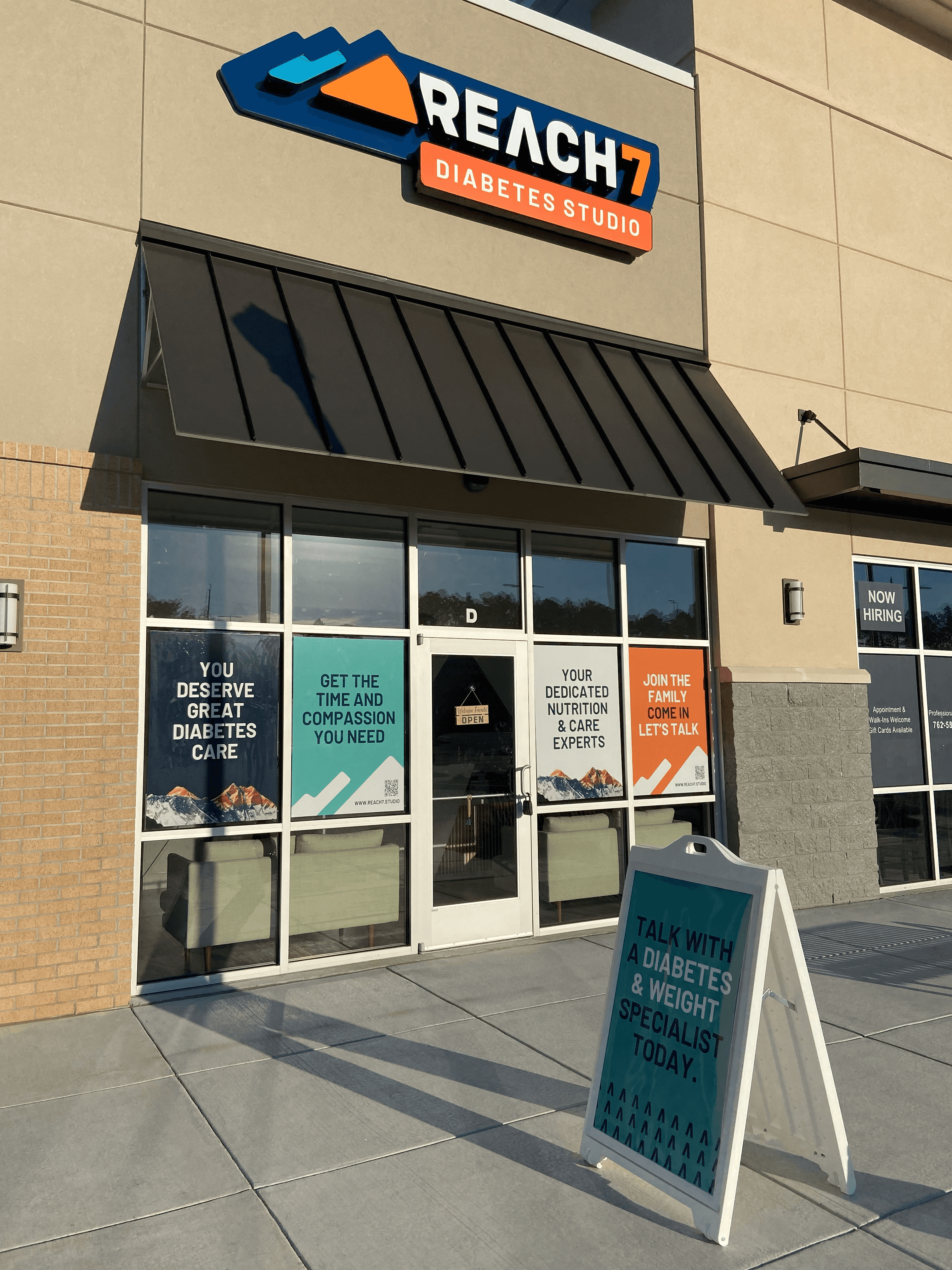
At Reach7, many of these labs can be done on-site with results in minutes.
📊 Who Should Get Checked
You're at higher risk if you:
Are 35 or older
Have a family history of diabetes
Are overweight or carry weight in your midsection
Had gestational diabetes or PCOS
Have high blood pressure or cholesterol
Are physically inactive
Belong to a high-risk ethnic group
You don't need to have every risk factor to benefit from testing.
✅ What to Do If You're Unsure
Ask for screening
Especially if you haven't had labs in the past year.Start tracking your habits
Diet, activity, sleep, and stress all play a role.Look for patterns
Are you more tired after meals? Do you crash mid-afternoon?Get guidance
You don't have to navigate prevention or diagnosis alone.
📅 Get Peace of Mind With a Quick Test
If you suspect something is off, or if you're simply not sure when you last had your blood sugar checked, now is the time.
Reach7 offers on-site A1c and glucose testing with results available in minutes. You'll also receive a personalized explanation of your numbers and clear next steps.
Book your visit today and find out where you stand.
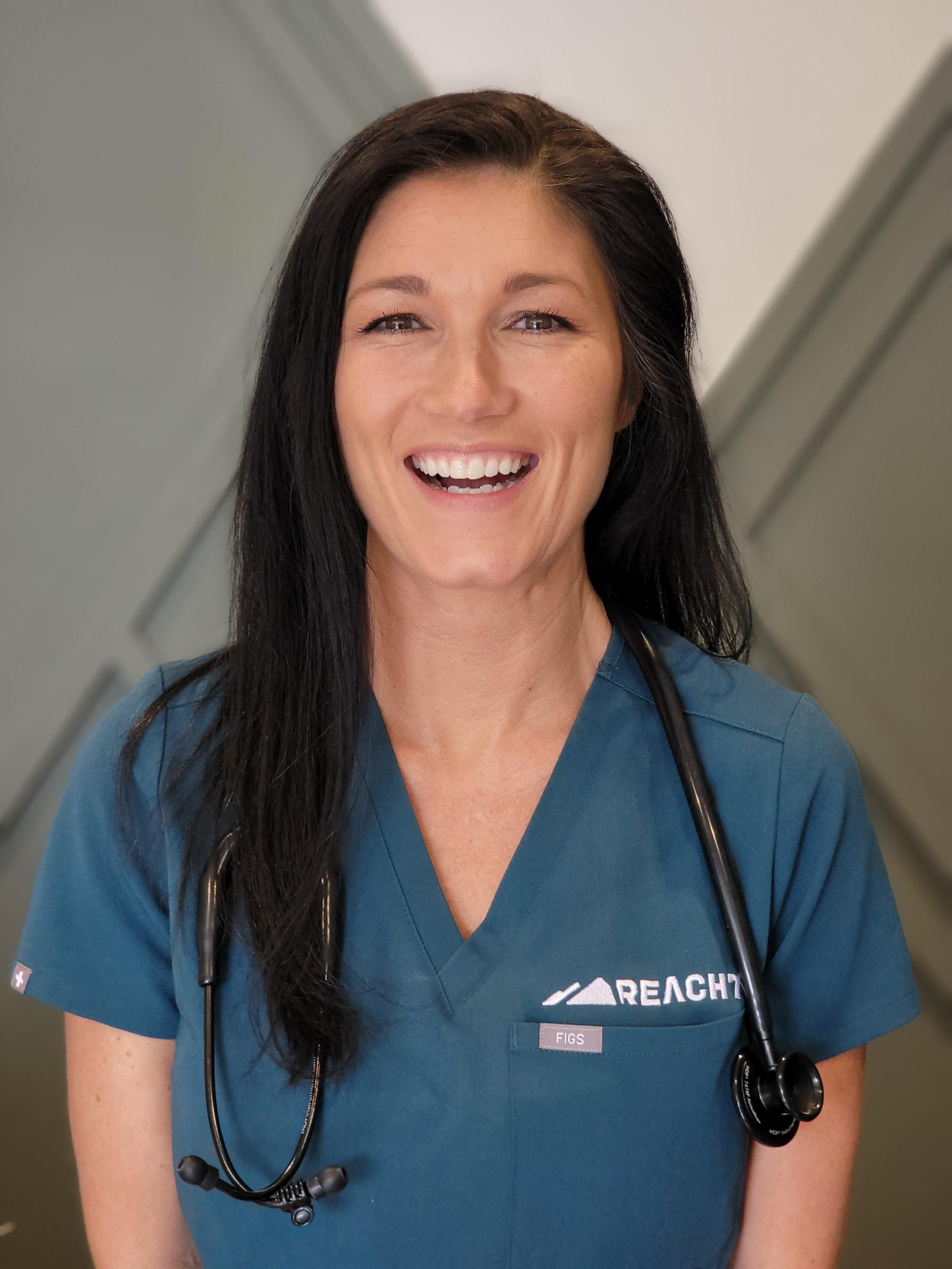
Author
Leanna Andrews, NP
Medical specialist passionate about evidence-based medicine, nutrition, and healthy living. I cut through the noise to bring clear, reliable insights that empower everyday readers to help them Live Better & Thrive Longer.