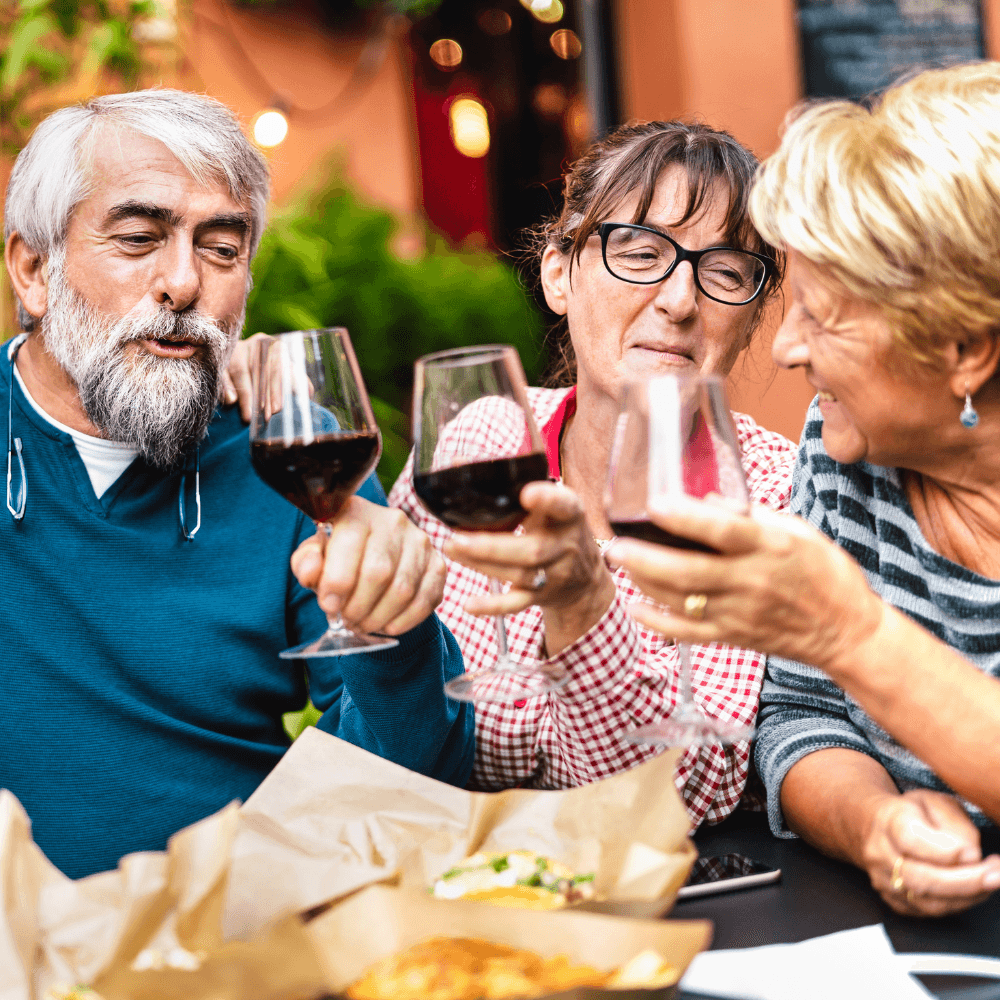
Alcohol often seems harmless when consumed in moderation. However, if you're aiming to improve blood sugar control or lose weight, alcohol can quietly interfere with your progress in ways that are easy to overlook.
Understanding how alcohol interacts with glucose, appetite, and fat metabolism can help you make informed choices and adjust your routine.
🍷 How Alcohol Affects Blood Sugar
Alcohol's effect on blood sugar can vary depending on the type, amount, and whether you've eaten:
Glucose spikes and drops
Sugary cocktails, beer, and mixed drinks often cause a short-term rise in blood sugar. Later, alcohol suppresses the liver's glucose output, which can cause a dangerous drop in levels, especially overnight.Increased risk of lows with medication
If you're on insulin or sulfonylureas, alcohol can intensify the risk of hypoglycemia. This is especially dangerous when you're asleep or haven't eaten.Masked symptoms of lows
Alcohol can dull your ability to recognize the signs of low blood sugar like shakiness or confusion.Reduced insulin sensitivity
Over time, frequent alcohol intake may impair how your body responds to insulin, making blood sugar harder to control.
⚖️ Alcohol and Weight Loss
Even light to moderate drinking can make weight loss more difficult for several reasons:
Extra calories
Alcohol contains seven calories per gram. A single drink can add 100 to 300 calories or more, depending on the ingredients.Slower fat metabolism
While your liver focuses on processing alcohol, fat burning takes a backseat.Lowered willpower and increased appetite
Drinking often leads to snacking and cravings, especially for salty or carb-heavy foods.Disrupted sleep
Alcohol reduces sleep quality, which can throw off hunger hormones, increase cravings, and reduce your motivation to move the next day.
✅ Tips if You Choose to Drink
If you decide to include alcohol occasionally, these strategies can help reduce its impact:
Stick with lower-sugar options
Choose dry wine, spirits with soda water, or light beer. Avoid sugary mixers like juice, soda, or sweet liqueurs.Eat before drinking
Pair alcohol with a balanced meal including protein and fiber to slow sugar absorption and reduce the risk of hypoglycemia.Hydrate throughout
Alcohol is dehydrating. Drinking water between alcoholic beverages can curb appetite and support your metabolism.Track your glucose
If you use a CGM, monitor how your blood sugar behaves during and after drinking. Some may see delayed lows or next-day highs.
🚫 When to Skip Alcohol
You may want to avoid alcohol altogether if:
You're struggling to manage blood sugar
You're trying to reduce belly fat or control cravings
You have sleep issues, high blood pressure, or fatty liver
You take medications that increase the risk of hypoglycemia
You’ve noticed that even light drinking leads to poor choices or fatigue
Taking a break can offer surprising insights into how your body feels without alcohol in the picture. However, if you already drink alcohol regularly and are interested in reducing or stopping, talk to your healthcare provider about how to stop drinking safely.
🧪 Ready to Check In?
If you’re not seeing the progress you want with blood sugar or weight loss, alcohol could be part of the puzzle.
At Reach7, members receive access to on-site metabolic testing, personalized nutrition support, and smart planning around real-life habits like alcohol.
📅 Book your visit today and get clarity about what’s helping, what’s stalling, and what to shift for real results.

Author
Leanna Andrews, NP
Medical specialist passionate about evidence-based medicine, nutrition, and healthy living. I cut through the noise to bring clear, reliable insights that empower everyday readers to help them Live Better & Thrive Longer.